
Christmas is often filled with expectation: joy, excitement and togetherness. But for families who are grieving, the festive season can feel very different. For parents and carers, understanding how to talk to children at Christmas about grief can feel especially challenging. Children, in particular, may struggle to understand why someone they love is no longer here, or why the adults around them feel sad at a time that is meant to be happy.
Knowing how to talk to children at Christmas about grief can feel daunting. Yet with warmth, honesty and reassurance, these conversations can become meaningful stepping stones towards healing. Children don’t need perfect answers — they need space, kindness and the safety of being heard.
Below are some gentle, supportive approaches to help guide conversations with children about loss during the Christmas season.

Speak with gentle honesty
Children are often far more perceptive than we realise. Even when we try to protect them, they can sense when something has changed. Using honest, age-appropriate language helps children feel secure and builds trust.
You don’t need to have all the answers. Simply explaining what has happened, and reassuring them that it’s okay to feel sad, can bring comfort and clarity.
Avoid phrases that may confuse children, such as “gone to sleep” or “gone away.” Instead, explain that someone has died and will not be coming back, while gently reinforcing that our love for them remains.
Acknowledge all emotions — not just sadness
Children may move quickly between sadness, curiosity and laughter, sometimes within the same moment. This is a natural and healthy response to grief.
Let them know there is no “right” way to feel at Christmas. The season can hold sadness and joy at the same time.
You might say:
“It’s okay to feel sad about missing them, and it’s okay to enjoy Christmas too. We can feel both.”
Create gentle opportunities to remember
Children often find comfort in doing something practical with their feelings. Small rituals can help them express love, remember someone special and feel included in remembrance.
Simple ideas include:
- Lighting a candle together
- Hanging a photograph or special decoration on the tree
- Writing a message or drawing a picture
At GreenAcres Living Memorial Parks, many families choose to write messages on the wooden hearts of our memorial trees. Children often find comfort in this simple, heartfelt act of remembrance.
Keep traditions — but allow room for change
Some Christmas traditions may feel painful without the person who has died. It’s okay to adapt traditions, start new ones, or pause certain activities altogether.
Involving children in these decisions can help them feel reassured and included when routines change.
You might ask:
- “What part of Christmas would you like to keep the same?”
- “Is there anything you’d like to do differently this year?”
Offer comfort through presence and connection
Children don’t need perfectly worded explanations. What they need most is closeness, reassurance and emotional safety.
Quiet moments together — sitting, talking, walking or simply being present — can help children feel supported.
Simple phrases can be deeply grounding:
- “I’m here with you.”
- “We can talk about them whenever you want.”
- “You’re not on your own.”
Model compassion for yourself, too
Children learn how to grieve by watching the adults around them. Allowing yourself to rest, show emotion and practise self-compassion teaches children that grief is human — not something to hide or rush through.
By caring for your own heart, you give children permission to care for theirs.
There is no right or wrong way to grieve at Christmas
Grief has no timetable, and Christmas has no rules. There may be tears, laughter, questions or silence — all of it is valid.
What matters most is connection. Families grow through grief not by erasing what has been lost, but by finding new ways to hold love alongside sadness.
At GreenAcres, we understand how layered this time of year can be. Our Parks offer peaceful spaces to pause, remember and reflect, whether as a family, with a grieving child, or on your own.
However, you choose to navigate Christmas, please know that you and your child are not alone. We are here through every season, with compassion, care and gentle understanding. For further support and resources, please click here.

Grief is not a problem to be solved – it’s a journey we walk through, step by step. One of the oldest ways humanity has learned to navigate this journey is through ritual. Rituals help us honour a life, express love, and find meaning in loss. They bring people together. They slow us down. They help us begin to heal.
At GreenAcres Living Memorial Parks, we see every day how meaningful rituals and the presence of a final resting place in nature can offer real comfort to grieving hearts.
Why Rituals Matter
When someone we love dies, we often feel adrift. Rituals whether large or small give us structure in the chaos. A funeral, a celebration of life service, a gathering around a tree – these moments allow us to:
- Say goodbye in our own way
- Celebrate a life with family and friends
- Create shared memories we carry forward
- Mark the start of healing
A ritual doesn’t need to be traditional or formal. It can be personal, quiet, or even joyful – a reading, a song, a planting, or a moment of silence. The most powerful rituals are those that feel true to the person no longer with us and to the people who carry their memory.
A Resting Place That Lives On
One of the most enduring forms of ritual is choosing a final resting place. It offers something deeply human: a place to return to.
At GreenAcres, our memorial parks are set in natural woodland environments – places of peace, beauty, and renewal. Families often tell us that having a living, growing space to visit gives them:
- A place to reflect and remember
- A connection to nature and the cycles of life
- A way to include future generations in remembrance
- A continuing sense of presence, rather than absence
Whether it’s walking a familiar woodland path, sitting beside a tree planted in someone’s honour, or pausing by a simple grave marker in a glade, the act of visiting keeps their story alive.
Keeping Their Memory Alive
We believe that grief doesn’t end but it does evolve. And part of that evolution is finding ways to honour a life, not just mourn its loss.
A final resting place in a natural setting offers a legacy:
- It can host family rituals year after year – anniversaries, birthdays, or just moments when we feel the need to be near.
- It gives children and grandchildren a connection to their roots and a space to understand the importance of remembrance.
- It becomes part of the fabric of a family’s story – a place of love, memory, and continuity.
Nature Supports Us
There is something gently healing about nature. The quiet of the trees. The return of the seasons. The way wildflowers bloom again each spring. In a time of loss, these small rhythms remind us that life continues and that we, too, will grow through our grief.
That’s why, at GreenAcres, we’re committed not only to honouring lives well lived but to providing sacred, sustainable places that support life, memory, and healing now and for generations to come.
In Reflection
Rituals remind us of what matters. Resting places root us in love. And both can offer comfort in a world that’s been changed forever.
If you’re navigating the loss of a loved one, or planning ahead to support your own loved ones, we welcome you to explore our Living Memorial Parks. You’re not alone and there is peace, beauty, and meaning to be found in remembering.
To find out more or organise a visit, contact us here.
Grief is a deeply personal and often overwhelming journey. In the UK, where traditions and modern practices intertwine, understanding the role of funerals in the grieving process is essential. At GreenAcres Living Memorial Parks, we recognise the profound impact that meaningful farewells have on healing.
What Is Direct Cremation?
A direct cremation is an unattended cremation. This means there is no formal funeral service, no ceremony, and no family, friends, colleagues and so on are present at the crematorium. The person who has died is taken from their place of death and cremated at a later time. If requested, their ashes can be returned to their next of kin.
The Rise of Direct Cremation in the UK
You may have seen national funeral providers advertising ‘no-fuss cremations’, ‘Pure Cremation’, Unattended Cremation’ or ‘Simple Funeral’, often at lower costs, where the person who has died is collected and cremated at a central facility, sometimes many miles away from their home. While the marketing of direct cremation as a low-cost alternative is relatively new, local funeral directors have been arranging unattended cremations for generations, offering them as part of their wider services.
However, while direct cremation honours the wishes of those who prefer not to have a service, it’s important to consider the impact on those left behind. Grieving is a deeply personal journey, and for many, having a place and time to say goodbye plays a crucial role in that process.
Considering the Needs of the Bereaved
Many people choose direct cremation because they do not want a traditional funeral, or they wish to keep things simple. However, funeral directors also understand that saying goodbye is important for those left behind.
With direct cremation, families may face difficult choices:
- No opportunity to attend the cremation – Some people find comfort in witnessing the cremation, which direct cremation does not allow
- The deceased may remain in a mortuary for a longer period – unlike traditional funerals, where services are arranged quickly, direct cremations are often scheduled based on availability, sometimes resulting in delays
- The cremation may take place many miles away – large national firms offering direct cremation may transfer the deceased to a distant central crematorium, rather than using a local facility
For some families, not knowing when or where the cremation is taking place can make it harder to process the loss. Others may feel they have been denied the chance to honour their loved one in a meaningful way.
Balancing Wishes with Remembrance
If direct cremation is the right choice for your loved one, there are still ways to make it meaningful for those grieving:
- Plan a separate memorial or celebration of life at a later date
- Choose a funeral director who offers local, dignified care rather than a national provider that transports the deceased elsewhere
- Discuss options with your funeral director, as they may offer flexibility in arrangements, such as a moment of private reflection before the cremation
Is Direct Cremation Right for You?
Choosing any funeral arrangement is a deeply personal decision. For some, direct cremation aligns with their wishes for simplicity. For others, it may feel too detached or distant. What matters most is that the arrangements respect the wishes of the person who has died, while also providing comfort to those left behind.
If you are considering direct cremation, speaking with a local funeral director can help you make an informed decision – one that honours both the person who has passed and the needs of those who will cherish their memory.
Creating a Lasting Tribute at GreenAcres Living Memorial Parks
At GreenAcres Living Memorial Parks, we offer families the opportunity to hold a Celebration of Life or Memorial Service in our peaceful, nature-rich surroundings. These gatherings provide a meaningful way to come together, share memories, and say goodbye in a setting that feels personal and comforting.
For those who would like a lasting place of remembrance, we also offer options for:
- Interring (burying) ashes in a dedicated memorial plot within our serene woodlands, wildflower meadows, orchards, lawn and gardens
- Scattering ashes in a carefully chosen location, ensuring a permanent tribute in nature
- Living Memorial Trees, where ashes can be buried alongside a tree that will grow in their memory
- Above the ground Ash Boulders, handcrafted UK stone, these above the ground stone boulders allow you flexibility if you decide to move the ashes at a later date
Choosing a Celebration of Life or a permanent memorial allows families to create their own rituals of remembrance, ensuring that their loved one’s memory lives on in a place of beauty and tranquillity.
If you would like to explore how GreenAcres can support you in planning a Celebration of Life, an ashes interment, or a scattering ceremony, please get in touch with our team.
Grief is a deeply personal and often overwhelming journey. In the UK, where traditions and modern practices intertwine, understanding the role of funerals in the grieving process is essential. At GreenAcres Living Memorial Parks, we recognise the profound impact that meaningful farewells have on healing.
The Role of Funerals in the Grieving Process
Funerals serve as a pivotal point in the journey of grief. They provide a structured environment where emotions can be expressed, memories shared, and support systems reinforced. According to the NHS, acknowledging grief and allowing oneself to mourn is a crucial step towards healing.
Ceremonies offer a sense of closure, helping individuals transition from the immediate shock of loss to the acceptance of a new reality. They facilitate the expression of sorrow, celebration of life, and the beginning of adaptation to life without our loved one.
GreenAcres Living Memorial Parks: A Sanctuary for Remembrance
At GreenAcres, we provide more than just a final resting place; we offer a sanctuary where families can commemorate their loved ones amidst nature’s tranquillity. Our Parks are designed to reflect the individuality of each person, allowing for personalised ceremonies and a final resting place that resonate with the lives they lived.
Our approach emphasises the therapeutic benefits of nature, providing a serene backdrop that fosters reflection and peace. By integrating natural beauty with commemorative practices, we aim to support the emotional well-being of the bereaved.
The Considerations Surrounding Direct Cremations
In recent years, direct cremations have gained popularity due to their simplicity and cost-effectiveness. This method involves cremating the deceased without a preceding funeral service. While this option may suit certain preferences, it’s important to consider its implications on the grieving process.
The absence of a formal ceremony can sometimes lead to feelings of unresolved grief. Without the opportunity to mourn, share memories, or receive communal support, individuals may find it challenging to process their loss fully. As noted by grief specialists, the lack of ritualistic closure can impede emotional healing.
Embracing Personalised Farewells
Choosing a funeral that reflects the unique life of our loved one can be a powerful step towards healing. Personalised services, whether traditional or contemporary, provide a platform for expressing grief, celebrating life, and fostering connections among family and friends.
At GreenAcres, we encourage families to design ceremonies that honour their loved ones’ personalities, beliefs, and values. By doing so, we aim to create meaningful experiences that aid in the grieving process and offer lasting comfort.
Conclusion
Grieving is an intricate process, and the manner in which we say goodbye plays a significant role in our journey towards healing. While direct cremations may offer simplicity, they may not provide the emotional support and closure that traditional or personalised funerals can offer.
GreenAcres Living Memorial Parks are dedicated to supporting individuals through their grief by providing spaces that honour life, facilitate mourning, and promote healing. We believe that through thoughtful ceremonies and the embrace of nature, families can find solace and strength in their time of loss.
For more information on planning a meaningful farewell, please contact GreenAcres Living Memorial Parks. Our compassionate team is here to support you every step of the way.
Death comes to us all, but end-of-life planning is a discussion that most of us try to avoid. Advanced planning involves making thoughtful decisions about your final arrangements before they’re needed, sparing loved ones from difficult decisions during their time of grief.
While these conversations are difficult and uncomfortable, they provide an opportunity for you to express your wishes, ease financial and emotional burdens, and create space for heartfelt goodbyes ahead of time. Advanced planning also allows you to consider every detail about your send-off – including how and where you’d like to be buried.
This blog offers helpful advice on how you can initiate these challenging discussions with your friends and family. By addressing your plans and wishes before your death, you can turn an emotionally charged and potentially upsetting process into an act of love, care and compassion for those who matter the most.
What are the benefits of end-of-life planning?
End-of-life planning is a beneficial process for both you and your loved ones. Here are some of the positive outcomes of being prepared before you die:
- You can take the emotional and financial burden away from your family during a difficult time
- You can pay for your service and plot in advance, tying up financial loose ends
- You can plan the exact type of funeral and memorial service you want and also have control over how you’d like to be remembered
- You can assign power of attorney to someone you trust should you be unable to make decisions in later life
- You can update your will to reflect your wishes, ensuring they’re respected and followed
- You’ll be able to select your final resting place or memorial
Above all else, you’ll gain peace of mind that your wishes will be honoured in the way you intended, with your legacy living on long after your death.
How to have difficult conversations about advanced planning
Create the right environment
It’s very important to create the right setting. This won’t be an easy conversation, so choose a quiet, private space where everyone feels comfortable and able to freely express their feelings. Avoid bringing up the topic of advanced planning during holidays or family celebrations. Instead, find a time when everyone is relatively relaxed and not distracted by other events. Plus, having these talks in person rather than over the phone allows you to read body language and respond to emotional cues more effectively.
Depending on your family dynamics, you should think about who you’d like to include in the conversation. You should also consider whether to approach the topic one-on-one or involve multiple family members all at once.
Start the conversation
Beginning discussions about end-of-life planning requires a level of sensitivity. Rather than announcing, “We need to talk about what I want to happen when I die,” try less direct approaches such as:
- “I’ve been thinking about updating my will, and I realised we’ve never discussed my wishes for when I die.”
- “I read an article about how planning ahead can really help families during difficult times. What are your thoughts on this?”
- “After attending [Name’s] funeral, I realised I would want some things done differently. I’d like to share my thoughts with you about what I’d like at my funeral.”
Approaching the idea of end-of-life planning carefully and sensitively helps turn what could be a morbid discussion into a gentler, more productive conversation that everyone benefits from.

Address emotional resistance
It’s natural for loved ones to resist these difficult conversations. Some common responses include:
- Deflection: “We don’t need to talk about that now.”
- Denial: “That’s so far away.”
- Discomfort: “I really don’t want to think about this.”
When faced with resistance, acknowledge their feelings: “I understand this is uncomfortable, and I find it difficult too.” Explain that these discussions are ultimately about supporting each other and honouring your wishes.
Sometimes, sharing why advanced planning matters to you personally can help break through resistance: “It would give me peace of mind to know we’ve discussed this together before I die.” If someone becomes visibly upset, it’s okay to pause and continue the conversation another time.
Try to move beyond the taboo
Our collective reluctance to discuss death and what happens afterwards often stems from superstition, fear or a lack of understanding on how to start the conversation. To move past these barriers:
- Normalise the conversation by sharing stories of others who have benefited from advanced planning. This could be from someone you know or an article you read about someone who’s been through the same thing
- Use neutral, straightforward language rather than euphemisms. This helps keep the conversation clear and concise, allowing your wishes to be fully understood
- Acknowledge that planning doesn’t quicken death but simply prepares everyone for an inevitable life change
- Focus on how planning benefits those left behind rather than dwelling on the idea of death
Remember that breaking taboos often requires multiple conversations, so you may need to sit down often with loved ones to have your wishes heard. Similarly, don’t rush or pressure your friends and family to have conversations they’re not ready to have. Lay the foundations and work at a pace you’re all comfortable with.
Document your wishes clearly
When having conversations about advanced planning, make a physical note of key decisions. Include clear details on:
- Your preferences for a burial, cremation or even a donation to medical science
- Where you’d like to be buried
- The type of memorial service you’d like to have
- Whether your service should follow religious or cultural traditions
- Which readings, music or tributes you’d like to have
- Budget considerations and payment arrangements
Rather than relying on memory, create written or typed records of your wishes. You might even benefit from speaking with a funeral director to help with the more complicated aspects of advanced planning.
Be mindful of financial implications
The financial aspects of funeral planning can be daunting for both you and your family. When discussing costs:
- Present information factually, with all the prices laid out clearly and hidden costs factored in
- Acknowledge that financial decisions are personal and reflect different values
- Discuss pre-payment options and their benefits and drawbacks
- Be transparent about who will be responsible for various costs when you die
Paying for your funeral or burial plot in advance will alleviate the financial burden on your loved ones. However, this isn’t possible for every family. Speaking openly and honestly about the true state of your finances and what may need to be covered in the future means everyone will be prepared ahead of time.
End-of-life planning requires several key components. Read our simple step-by-step guide on what to consider when pre-planning your funeral and learn why it’s a beneficial process for you and your loved ones.
Father’s Day is supposed to be day of celebration, but for children who have lost their dad or father figure, it’s a painful reminder of their absence. While others are making cards and planning special moments, grieving children may feel isolated, confused or even overwhelmed by emotions they don’t yet know how to process – even if it’s been several years since their dad died.
As caregivers, educators and supporters, it’s important that we create enough space this Father’s Day for children to process and express their feelings. This blog explores ways in which you can offer meaningful support and help grieving children feel seen and heard during a difficult time.
Recognising the signs of grief in children
Grief doesn’t always look the same in children as it does in adults. Some become quiet or withdrawn, while others act out or become angry. Sleep disturbances, changes in appetite or sudden emotional outbursts can all be signs of suppressed grief. Other signs of grief in children include:
- Experience extreme emotions, such as crying one moment and playing the next
- Refusing to talk about their feelings
- Wanting to get into an adult’s bed
- Displaying regressive behaviours, like bed-wetting or thumb sucking
- Having nightmares
Being aware of these signals can help you respond with empathy rather than discipline or dismissal.
How to support grieving children on Father’s Day
Finding ways to navigate grief doesn’t have to mean ignoring or forgetting about the person who died. This is especially true of someone as important as a beloved father. Your children might take comfort from doing something their dad loved – such as listening to his favourite album, baking his favourite cake or watching his favourite film.
Father’s Day is also the perfect opportunity to spend some time doing an activity their dad enjoyed. Every dad is different, but this could be golfing, walking along the beach or going to the cinema.
Create a safe space for expression
Encouraging children to talk about their feelings without pressure is essential. This could mean setting aside quiet time to reflect on precious memories, asking them to draw how they’re feeling or simply being present and ready to listen whenever they want to talk. Some children may not have the words to say, “I’m sad” or “I miss him,”. Non-verbal expression therefore sometimes feels safer, especially for younger children who may not have the words to articulate complex emotions. Some examples include:
- Drawing a picture of a special memory they have of their dad
- Using colours to represent how they’re feeling inside
- Playing with toys to act out feelings or scenarios
- Writing a letter to their dad, read our blog on writing letters to a loved one
- Building something with blocks or clay to represent a memory or feeling
- Music or dance, where they move in ways that reflect their mood
These creative outlets help children process grief, which can be especially helpful for younger kids who don’t quite understand death or those who struggle to talk about loss.
Find ways to honour Dad
Helping your children find ways to remember and celebrate their dad can bring a lot of comfort – especially on Father’s Day. Simple ideas include creating a memory box, lighting a candle, planting something in Dad’s honour or sharing stories and happy memories as a family. This experience helps children maintain a connection to their dad in a way that feels comforting instead of overwhelmingly sad and upsetting.
Talk about Dad
When someone as important as a father passes away, it’s natural for children to avoid talking about him. The pain is often too overwhelming. But gently encouraging them to share memories or speak about their dad can help keep his presence and spirit alive. These conversations, even when they lead to tough questions about his death, are an important part of the healing process. By talking openly about loss, we help children understand that grief is a natural process and that remembering their dad as he lived, not just as someone who died, is a meaningful way to keep his memory close to them.
Write a Father’s Day card
Some schools and nurseries hold card-making activities in the run-up to Father’s Day. This can be a tough experience for children who have just lost their dad, but it can also be a lovely way for them to honour them. The card can form part of a memory box – or you can even place it next to a lit candle as a way to remember him on the day. You could also place it on the fridge via a magnet to raise a smile whenever you go about your normal routine.
Join us
Many children and young adults find comfort and guidance from people they already know and trust. However, if your child needs additional support around the topic of death, Child Bereavement UK has several resources that can help them cope and understand, including short animated films, books and resources, helplines and even face-to-face support.
On Sunday June 15th, join us in your local Park for our annual Father’s Day Event, where you’ll have the opportunity to remember and reflect in the beauty of our nature-rich surroundings. Everyone is welcome!
As we approach Father’s Day, we are reminded of loved ones who are no longer with us. Whether you’ve lost a child or a significant father figure in your life, Father’s Day is a time to cherish those memories we hold dear. Sadly, it can also be a day tinged with grief and sadness, where even the smallest things serve as reminders of those who are no longer with us.
If you’re attempting to come to terms with a loss this Father’s Day or want to try and work through some complicated thoughts and feelings, you might find writing a letter helps with the grieving process. Writing a letter isn’t easy, so we’ve got some tips and advice on how to approach it, along with some ideas on things you might want to include.
Find a quiet, comfortable space
Before you put pen to paper, you’ll benefit from finding a quiet, comfortable spot to write in where you won’t be distracted or interrupted. To help with the writing process, you might want to change into your comfiest clothes, brew yourself a cup of tea and throw on a blanket to keep you warm – anything that makes you feel relaxed.
You might also want to place a photo of your father or father figure nearby to help remind yourself of why you’re writing the letter. Have some tissues to hand, too, as letter writing can be an emotional experience.
Grab a notebook and a nice pen or pencil
You could craft your letter using your laptop, computer, or smartphone, but you’ll find using a nice pen or pencil and a notebook creates a much more personal experience and helps you connect more closely to the words. Gel or ballpoint pens are designed to glide across the paper, producing a smooth and pleasant writing experience.
What to write in your letter
Your letter is your opportunity to reflect on precious memories and keep your loved one’s spirit alive. It’s also your chance to say goodbye. The best advice we have is to let the words come naturally. Try not to force your thoughts or overthink the content. It might take you a while to get started, but once you do, you might find the words come easier than you think.
Here are some things you might want to include:
- Special memories
- Things you wish you’d said to your loved one when they were still alive
- Things you miss about them and how much you miss them
- Events or occasions that have happened since their passing
- Updates in your life that you want to share with them
- What you’ll remember about them
- How they touched your life
- How you feel about their death in the moment of writing
Say goodbye
If it feels right, remember to include a goodbye at the end of the letter. This won’t be easy, but it may help to give you closure. Saying goodbye can also be cathartic, giving you space to start moving on with your life.
Your goodbye doesn’t need to be definitive. Your message could be something as simple as “I’ll see you soon” or “Until we meet again”. Dr. Suess famously wrote, “Don’t cry because it’s over. Smile because it happened.” Many people take comfort from this sentiment – perhaps you will, too.
What to do to the letter afterwards
Once you’ve written your letter, you’ll need to decide what to do with it. You might want to put it in a special memory box related to your loved one. Or you could seal it in an envelope and keep it somewhere safe. If you’re writing the letter before the funeral, you may want to speak to your funeral director about leaving it with your loved one. They’ll be more than happy to accommodate your wishes as best they can.
Whatever you decide, make sure you do what feels right. Your instincts will guide you if you don’t have the answer straight away.
Join us
In honour of your father or father figure’s enduring presence in our lives, we welcome you to join us for our special Father’s Day event, where you will have the opportunity to remember and reflect, light a candle and tie a memorial heart on our remembrance tree.
Everyone is welcome! Find your nearest Father’s Day Remembrance event here.
When a father experiences the unimaginable loss of a child, most of the focus turns to the mother’s grief. While this support is vital, a father’s pain is often unintentionally overlooked or misunderstood. As a result, many men struggle with their grief in silence and are forced to cope with feelings of isolation and loss without the same level of attention or support.
This is why spaces like Men’s Sheds are so important. They provide a safe and supportive environment where men can connect with like-minded people, share their worries and find understanding from those going through the same thing. They also give them room to build relationships, rediscover purpose and navigate life’s challenges after loss.
We understand how painful grief can be. This blog will help guide you through these emotions as well as providing places you can go to seek support.
The challenges facing grieving fathers
When a father loses a child, men are often expected to remain strong and stoic, so they focus on supporting their families rather than addressing their own emotions. This can leave many fathers feeling isolated and unable to express their grief, heightening their pain and leaving them with no room to heal.
Acknowledge your grief
If you’ve suffered the loss of a child, it’s important you allow yourself to wholly feel your emotions – good and bad. Give yourself permission to mourn in your own way, whether that’s through quiet reflection, talking to someone or engaging in activities that help you process your feelings.
Open up to people you trust
It can be tempting or even instinctual to keep your emotions bottled up, but grief isn’t something you can put in a box. Instead, sharing your feelings with someone you trust can help you start to come to terms with your loss. Whether it’s a friend, partner or a support group, talking can help take some of the weight off your shoulders. It can also keep the memory of your loved one alive. You don’t have to speak if you’re not ready; writing a letter or even spending time with your friends and family in silence can bring a sense of comfort.
Find purpose in activities you enjoy doing
Doing activities, you enjoy can help you find a sense of purpose and normalcy in your grief. Examples could include practical tasks like DIY, hobbies or even volunteering within your local community. Everyday activities provide structure and allow you to channel your energy into something other than your grief – even if it’s only for a few short hours when you feel up to it.
Consider getting professional help
Sometimes, the weight of grief can feel too heavy to carry alone. Seeking support from a specialist bereavement therapist or counsellor can provide you with the tools you need to navigate your emotions and find a healthy way through your journey with grief.
Seek support from Men’s Sheds
Building social connections often proves more challenging for men than it does for women. Unlike women, many older men have fewer close friendships and are less likely to open up about personal worries or health concerns. While this isn’t true for everyone, retirement can leave some men feeling adrift, as if they’ve lost their sense of purpose or identity. That’s where Men’s Sheds step in. They offer a way to rediscover connection, community and a renewed sense of belonging.
Men’s Sheds encourage people to come together to make, repair and repurpose, supporting projects in their local communities. Men’s Sheds are similar to garden sheds, but instead of being solitary, they’re a place where men can build social connections and friendships while sharing skills, knowledge and plenty of laughter.
While these spaces are known as Sheds, they can be whatever the members (or Shedders as they’re called) want them to be. This can include empty offices, portable cabins, warehouses and garages. The most important thing is that the Sheds offer men the chance to meet like-minded people, share their worries and gain a renewed sense of purpose. That’s why Men’s Sheds are vital.
There are 900+ Open Sheds across the UK right now. Head over to the website to find a Men’s Shed in your area. You can also learn more about starting your own.
Other supportive bereavement groups
Men’s Sheds aren’t the only support group you can turn to if you need guidance. There are several other resources, charities and networks that offer help and advice, including:
- Dad Still Standing: Award winning podcast and bereavement support for dads following the loss of a child
- Daddy’s with Angels (DWA): A registered charity that provides easy access to resources, guidance and specialist support for dads who feel they have no one else to turn to.
- StrongMen: They aim to support men who are often overlooked and isolated in their grief following bereavement through Man2Man peer groups, Weekenders and Talks.
- Sands United FC: Sands United is a unique way for men impacted by baby loss to come together through a shared love of sport. They can find a support network and feel at ease talking about their grief when they’re ready.
Find the support you need in a GreenAcres Living Memorial Park
If you’re struggling to come to terms with grief or need someone to talk to, we hold events, remembrance services and bereavement cafés at our Parks throughout the year.
You may find particular comfort from our bereavement cafés, which are held within the beautiful landscapes of our Parks and provide a kind, supportive space with understanding from others who are also living with life after loss. We also provide grief books, signposting information to other bereavement organisations and other resources to help with your grief journey.
Head over to our website to find a GreenAcres Bereavement Cafés.
Deciding what to do with your loved one’s ashes after cremation is a deeply personal choice. With cremations becoming increasingly popular in the UK, there are so many unique and wonderful ways in which you can honour your loved one.
Nowadays, one in every 25 funerals arranged by Co-op are direct cremations. Yet, according to the Co-op’s Changing Face of Funerals report, one in ten (9%) of people who have arranged a cremation say that can’t decide what to do with their loved one’s ashes.
We’ve pulled together some of the most popular ideas, along with some heart-warming stories from members of the GreenAcres team, to inspire you to find the perfect memorial.
Have them crafted into jewellery
Memorial jewellery can help you feel close to your loved one. Enabling you to carry them with you wherever you go. Whether you choose a ring, bracelet, pendant, cufflinks or brooch, the ashes can be imprinted directly onto the jewellery or a resin gem, providing comfort through every stage of your life.
The multi-award winning Ashes Memorial Jewellery uses innovative technology to turn ashes into beautiful keepsake pieces. Similarly, EverWith Memorial Jewellery specialises in creating beautiful, bespoke keepsakes in memory of loved ones who have passed away.
Scatter the ashes somewhere special
Scattering a loved one’s ashes is one of the most common ways to say goodbye. 28% of people have them scattered at a crematorium, while 17% scatter them in a special landmark or beauty spot.
Some of the most popular ideas include scattering the ashes at sea or somewhere that meant a lot to your loved one. You can also have the ashes scattered from a plane where they can roam free forever more.
Many of our families have recently asked about Viking burials. While Viking burials are illegal in the UK, you can have ashes sent off to sea or on a lake in a Viking ship.
One of our recently bereaved widows is planning on buying a casket for her husband’s ashes. It gets taken out to sea on the outgoing tide and gradually dissolves, dispersing without the need to go out in a boat. That way, wherever his children end up in the world, they only have to go to the sea to be near to their dad.
Create a Living Memorial
One of our favourite ways of memorialising a loved one is a living memorial. By interring (burying) their ashes in nature, you create a lasting tribute – a place of remembrance that grows and changes with the seasons.
Our Living Memorial options provide a serene space where treasured memories can bloom. They offer the opportunity to create new rituals, reflect, and find comfort in the beauty of nature, ensuring your loved one’s legacy lives on.
At GreenAcres Living Memorial Parks, we have many options for you to choose from, including:
Tree Circle
Set amidst natural beauty, a memorial within a Tree Circle serves as a heartfelt tribute to a life well lived. A Tree Circle offers a shared resting place, we have many beautiful Tree Circles available across our Parks, the picture above shows a Tree Circle in our woodland area in springtime, covered in a carpet of bluebells. Tree Circles can be found in our serene woodlands, open meadows, tranquil lawns and lush orchards. Each plot within a Tree Circle accommodates burials, ashes, or a combination of both.
One of our families chose a Tree Circle in our wildflower meadow, a perfect spot for their loved one:
“We chose a plot within a tree circle in Heatherley Park for our mum’s ashes, nestled in the wildflower meadow. She loved the sunshine – we always called her “the lizard” – and this spot is bathed in sunlight for most of the day.
It’s the perfect place to bring our children, her beloved grandchildren, to share stories about her and remember her wonderful ways. It feels like a peaceful sanctuary in nature, surrounded by wildlife, wildflowers, and beautiful trees – a place as full of life as she was.”
Living Memorial Tree
A living Memorial Tree is a natural memorial that will last for generations, dedicated exclusively to your family. Planted as a sapling (young tree) you will see them grow and flourish forevermore. An optional outdoor ceremony can also be held at the time of planting, adding a personal touch to this tribute. Living Memorial Trees are situated in our serene woodlands, open meadows, tranquil lawns and lush orchards. A Living Memorial Tree can accommodate ashes, burials, or a combination of both.
Living Memorial Bay
Bordered by natural logs or neatly trimmed hedges, a Living Memorial Bay serves as a timeless tribute to love and remembrance. Each bay offers a unique and dedicated space for families to connect with their loved ones. Set amidst our peaceful woodlands and open meadows, each bay is thoughtfully designed to blend with the surroundings. Embraced by gentle greenery, a Living Memorial Bay is ideal for those seeking a private space. Suitable for ashes, burials, or a combination of both.

Find a unique spot that holds sentimental value
When it comes to laying ashes to rest, nothing is off-limits. And every family’s story is unique. So much so, one of our families has chosen to keep in their knicker drawer!
“My mum used to iron all the underwear in the house and wouldn’t allow us to leave without clean, freshly ironed underwear. I felt my knicker drawer was the best place to keep Mum until I can let go of her. It’s somewhat of a tradition.”
You may have a place in the house that meant a lot to your loved one and reflects their life, allowing you to create a more personal tribute.
Get a tattoo with the ashes in the ink
A tattoo using your loved one’s ashes in the ink is a wonderful way to keep them close to you forever. It may provide you both a visual reminder and a physical connection to them. The process is the same as getting a normal tattoo; only a small portion of the ashes are mixed with traditional ink
Only some of the ashes are used for the tattoo. So you still have the option to find the perfect resting place for your loved one with the remaining ashes. Creation Ink has a range of helpful blogs and advice if you’d like to learn more.
Split the ashes
If you’re struggling to know what to do with your loved one’s ashes, you can pick multiple options to honour their life. One of our families has chosen to split her father-in-law’s ashes across a few of his favourite locations.
“My father-in-law was a keen fisherman, so half of his ashes are interred by the pond in GreenAcres, while the rest have been split into three – a paperweight containing a small amount of his ashes which is on my mother-in-law’s bookshelf, a miniature urn, which is in my brother-in-law’s fishing bag, and the rest in a floating water pillow placed in the river where he loved to go fishing!”
Lay them to rest at GreenAcres
Many families take great comfort from laying their loved ones’ ashes to rest at a GreenAcres Living Memorial Park. Whatever you’re looking for, there are several options to choose from to create a lasting and personal tribute to the person you love, a special place in nature you will want to visit time and time again.
Talk to a member of our friendly and knowledgeable team to discuss all the available memorial options for ashes at our GreenAcres Living Memorial Parks.
Father’s Day is a time to celebrate dads and everything they mean to us. But if you’re suffering from the loss of a father or father figure, it can be an incredibly tough experience to go through.

For many people, a father or father figure may represent strength, stability, security and support. Maybe they were a great source of humour, joy or wisdom – a mentor and role model. The flip side of a father’s aura of strength and dependability means it might be hard to get close to him in an emotional sense. But whatever the nature of your relationship, a father figure is likely to have a huge impact on your life, shaping your choices and informing your character.
So, when a father dies, the hole that leaves in our lives can hollow us out and leave us feeling an enormous range of emotions. For some, that can vary from deep sadness to vulnerability, and even a sense of unfinished business, depending on the nature of our relationship and the circumstances of their passing. Father’s Day can bring old feelings back to the surface and amplify those that are already there.
GreenAcres is here to help. We understand how overwhelming Father’s Day can be, so this blog offers some advice on how you can cope.
Remember, your feelings are normal
People lose their loved ones in different phases of their lives and no matter how expected or unexpected the death is – it hurts.
When you’re grieving the loss of a father or father figure, your feelings are likely to change from one moment to the next. You may feel shock one day and anger the next – or you may experience these emotions within hours of each other. However you’re feeling, you must be kind to yourself and remember that this is completely normal.
Supressing these emotions and avoiding your grief is likely to prolong the pain. Embrace your feelings as best you can and try not to be too hard on yourself when you’re feeling particularly emotional around Father’s Day.
Find a fitting memorial
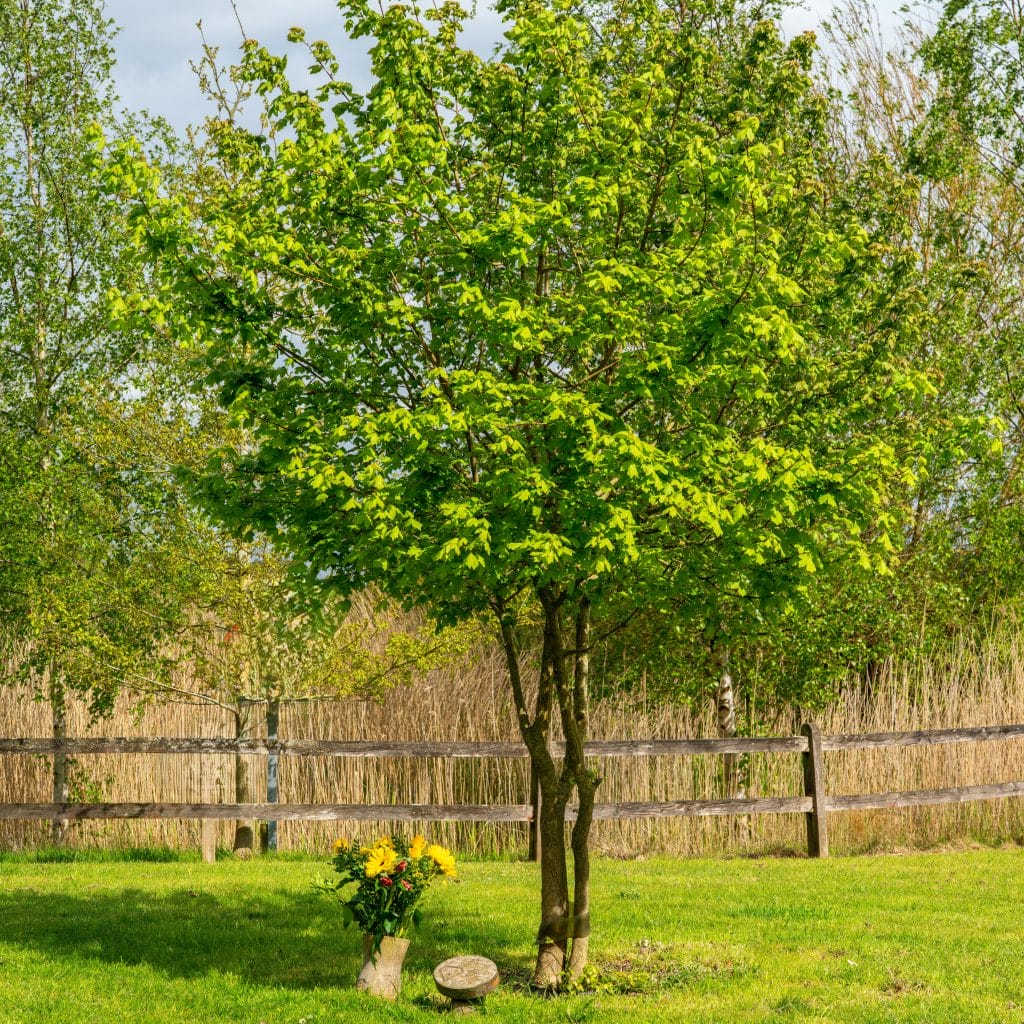
Sometimes finding the right memorial for your loved one can be soothing. Some people find peace in visiting the memorial, whether it’s just sitting nearby and reading a book, spending time keeping your memorial neat and tidy, or simply reflecting on happy memories. Talking can help too – whether you’re sharing what’s on your mind with your loved one or having a chat with someone else who is visiting or working at the Park.
Everyone’s feelings, needs and wishes are unique, and everybody’s bereavement journey is different. Places like GreenAcres recognise this and support you to plan and create the perfect service, burial and lasting memorial for you and your family.
At GreenAcres, we can help you find the perfect memorial to your loved one. Our friendly and knowledgeable team are on hand to support you with creating a fitting tribute that you can visit and reflect on precious memories for years to come.
Revisit memories
Sometimes revisiting memories and talking about the person you’ve lost can help you along your bereavement journey.
You may find comfort from going through old photographs from when your dad was young. There are bound to be many parts of his life you didn’t know about, which can help you to understand more about his experiences and the life he lived. There’ll also be certain objects that evoke special memories of your dad, which you can keep and cherish forever.
It can also help to visit your dad’s grave or memorial on Father’s Day. While this is a personal choice, many people find comfort from visiting their loved one’s resting spot and tending to their grave – even if just for an hour or two.
Do something your dad would have loved
What better way to honour your dad’s memory than by doing something he loved when he was alive? Whether he enjoyed pottering in the garden, fishing by the lake, taking a walk through the woods or cooking a delicious meal, spending the day doing his favourite things is a lovely way to remember him as he was.
Share stories with loved ones
If you feel up to being around other people on Father’s Day, you may take comfort from sharing and hearing about stories involving your dad. Get together with those who knew him over a cup of tea and bring him to life through your collective memories. You may have turned your dad’s social media accounts into an online memorial. If so, you can share tributes on there and invite others to do the same.
Write a letter
If you find it hard to articulate your grief, particularly around Father’s Day, it can be a helpful and cathartic experience to write your feelings down in a letter to your father. You may find this helps bring you closer to your dad. It can also help you make sense of complex emotions, bringing a sense of peace and comfort to guide you through this difficult time.
If you long to be closer to your dad again, you could try reading out your letter to him, imagining he’s there with you. Tell him you’re with him and you love him. It may not work for everyone, but this process helps some people manage the pain of their loved one’s passing.
Seek help from a professional resource
It’s important to remember that you don’t have to deal with your grief alone. If you or someone you know is dealing with the loss of a father figure, here are some resources that might help you:
- Cruse Bereavement Care’s confidential helpline is available every day and the charity has an online chat facility from 9am to 9pm weekdays.
- Heal Grief.org – this organisation is based in the USA but the insights it gives are relevant to us all.
- The NHS website features useful links and information to support you through bereavement.
Sadly, men aren’t encouraged enough to talk about their mental health. As a result, they bottle up their feelings in order to cope. According to a report by Mind Men’s Mental Health, only two in five men admit to feeling worried or low, and are far less likely than women to seek support.
There are several organisations that can help provide support and guidance for those who are struggling following their father’s death. Men’s Sheds is one such movement. Men’s Sheds are community space for men to connect, converse and create together, reducing loneliness and isolation. There are 582 across the UK, so there’s bound to be one near you.
Supporting children through loss
Losing a father or father figure is hard for anyone, irrespective of their age. But if a father dies when his children are still young, this can add an additional layer of complexity to the emotions felt by those he leaves behind.
As well as dealing with the rawness of their grief when they lose their father. Children and young people are likely to go through the grieving process again and in different ways when Father’s Day approaches.
It’s important for everyone involved to find the support they need to explore their emotions and cope with their grief during this difficult time. Thankfully, there are many resources that can help:
- Cruse Bereavement Care’s website for young people who’ve been bereaved, with films, poems, advice and insights from peers and specialists.
- Young Minds’ experts and ambassadors explore the stages of bereavement and how to work through your grief
- Family Lives’ useful links to sources of information and advice
- Child Bereavement UK supports parents and children through the grieving process. These resources are designed to help adults supporting bereaved children and young people
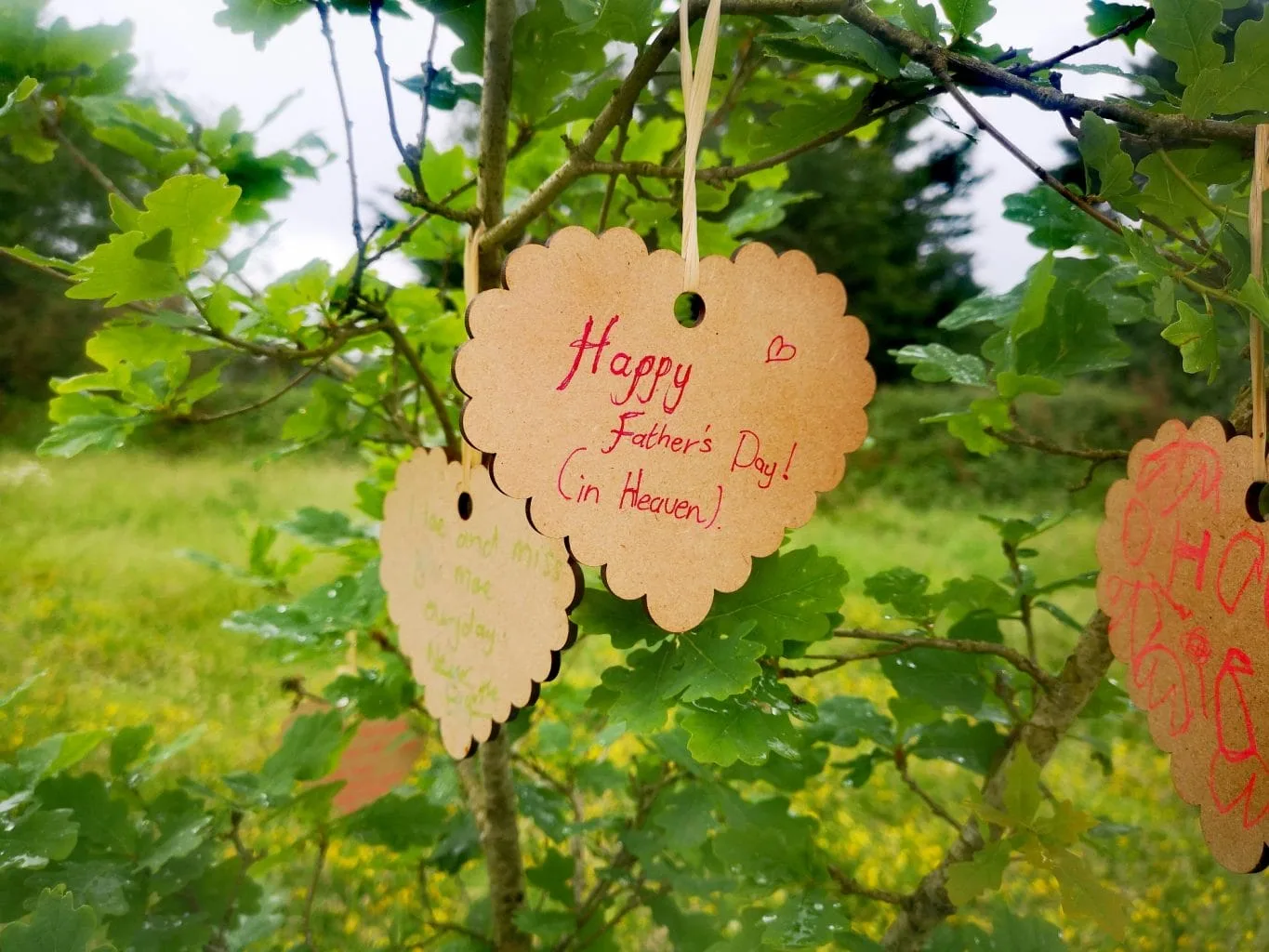
Come and join us at one of our Father’s Day services
Please join us in your nearest GreenAcres Park this Father’s Day, to remember all the important men in our lives. Spend precious time together as a family to celebrate and remember the things you loved about your dad in a peaceful, quiet and reflective setting.
Book onto a Father’s Day service to secure your slot.
As our world becomes increasingly conscious of the environmental impact of our choices, funerals are no exception. Traditional burial practices often rely on materials and processes that can leave a heavy environmental footprint. However, eco-friendly alternatives for burials, such as those offered at GreenAcres Living Memorial Parks, are transforming how we honour our loved ones while protecting the planet for future generations. At the forefront of this movement is the innovative Loop Living Cocoon™, a groundbreaking eco-coffin that exemplifies the future of sustainable burials.
The Growing Importance of Green Burials
Eco-friendly burials are designed to minimise the environmental impact of traditional funeral practices. By prioritising biodegradable materials, reducing emissions, and avoiding harmful chemicals, green burials offer a more harmonious way of returning to the earth. GreenAcres Living Memorial Parks have embraced this philosophy by providing tranquil woodland and parkland where families can say goodbye in a way that honours both their loved ones and the natural world.
Key elements of eco-friendly burials include:
- Biodegradable Coffins and Shrouds: Options like Loop Living Cocoon™, cardboard and willow are better for the environment
- Eco Grave Markers: Choosing a Living Memorial Tree or a wooden plaque instead of a headstone
- Avoiding Embalming: Skipping the use of formaldehyde and other chemicals protects surrounding soil and water
GreenAcres Living Memorial Parks are uniquely designed to support these principles, offering not only a serene resting place but also a commitment to environmental stewardship.
Introducing the Loop Living Cocoon™
The Loop Living Cocoon™ represents a revolutionary step in green funerals. Made from mycelium – the underground root network of mushrooms – and upcycled hemp fibres, this eco-coffin is 100% natural and fully biodegradable. Remarkably, it biodegrades within just 45 days, enriching the soil and increasing biodiversity. And a tree was not cut down to create this type of coffin.
Why Mycelium? Mycelium is nature’s ultimate recycler. It transforms organic matter into nutrients, shares resources with the forest floor, and enhances soil quality. By utilising mycelium, the Loop Living Cocoon™ not only minimises environmental harm but actively contributes to a healthier planet.
Features of the Loop Living Cocoon™
- Quick Growth: Developed in just seven days
- Biodegradable: Breaks down naturally, leaving no trace and enriching the soil
- Sustainable Materials: Free from paint, glue, varnish, or screws
- Customisable Interiors: Choose from natural linings like moss, hemp, wool, or bio-cotton
- Versatility: Suitable for traditional burials, natural burials, and cremations
Its hydrophobic properties make it suitable for all weather conditions, and it can be stored indefinitely when kept in a dry, ventilated space.
Redefining Legacies
Choosing the Loop Living Cocoon™ is more than an eco-friendly decision; it’s a statement about the legacy you wish to leave. By choosing a coffin that enriches the soil and promotes biodiversity, you create a living memorial that continues to give back to the earth. This aligns perfectly with GreenAcres’ mission to sustain and enhance our natural landscapes for generations to come.
Loop will have a distribution centre in the UK, meaning UK Funeral Directors will be able to purchase the Loop Living Cocoon™ on request.
A greener future
At GreenAcres Living Memorial Parks, we believe that everyone should have the information and options to make meaningful and environmentally conscious funeral choices. As we move toward achieving net-zero emissions across our business, innovations like the Loop Living Cocoon™ play a vital role in shaping the future of funerals.
Loop Biotech have also created an urn called Loop EarthRise™, just like the coffin – this feeds the earth and improves biodiversity, meaning that your loved one’s ashes can be a source for nature to flourish within the woodland, meadow, orchard, garden or lawn area of any GreenAcres Living Memorial Park. The Loop EarthRise™ urns are available to purchase directly from GreenAcres Living Memorial Parks.

If you’re planning for yourself or a loved one, consider the environmental impact of each decision. From biodegradable coffins to woodland and wildflower meadow burials, every choice can make a difference. Together, we can honour our loved ones while preserving the beauty of our planet.
To learn more about our eco-friendly burial options visit GreenAcres Living Memorial Parks. To find out more on Loop Biotech and the Loop Living Cocoon™ and Loop EarthRise™, visit Loop Living Cocoon™ – World’s first living coffin. Let’s create a legacy that honours life and nurtures the earth.
For many, Mother’s Day represents a day of celebrations. But if you’ve lost your mum or mother-figure, or you are a mother who has lost a child, it can be a day filled with grief and sadness. Even the simplest things can remind us of the loved ones we’ve lost, which is why it’s important to take care of yourself as Mother’s Day approaches. We’ve collected together some advice to help you cope with this difficult time while you’re grieving for a lost loved one.
Don’t feel pressured
Families often make plans to celebrate Mother’s Day. However, you don’t need to feel pressured to join in with them. Family and friends may invite you along to stop you from feeling left out, but they will understand if you don’t feel up to it. It’s OK to say no and it’s OK not to be OK. Instead, do things that you feel are right for you – like being close to nature and having a walk, watching a film, making your favourite food or listening to music that brings you happy memories or distracting yourself with your favourite hobbies.
Write down how you’re feeling
If you struggle to articulate how you feel, you could write your feelings down in a letter or card. Grief isn’t always an easy thing to make sense of, but giving yourself a chance to think about how you feel can help you cope with your grief – particularly when it’s more heightened around Mother’s Day.
Share your loved ones memory
Sharing memories of your loved one with family and friends is a wonderful way to honour them on Mother’s Day. You could get together over a cup of tea or start an online chat if you don’t feel up to seeing people. If you’ve turned your mum’s social media accounts into an online memorial, you can share tributes on there, too. There are also many online communities that bring comfort by sharing supportive messages on grief and loss, like Grief Speaks Out.
Hold a memorial service
You may take solace from holding a memorial service for your loved one on Mother’s Day. The service doesn’t have to be anything big. Simply lighting a candle or planting a beautiful plant are great ways to remember that special person.
Get support at our monthly GreenAcres Bereavement Cafés
When you lose someone you love meeting others who can relate to how you feel can help. We offer a kind, supportive space with understanding from others who are also living life after loss.
Often it is difficult to walk through the door to somewhere new especially when you are grieving. We promise you a warm welcome from our experienced and compassionate team along with tea, coffee and cake. For more information, click here.
Join us for our Mother’s Day Remembrance event
We invite you to our Mother’s Day event on Sunday 30th March at your local GreenAcres Park – a time to honour cherished memories, reflect, and remember those who are no longer with us. You will also have the opportunity to light a candle and tie a memorial heart on our Remembrance Tree
Find out more about our Mother’s Day event here.
While it’s not something we generally talk about out loud, many of us hope to leave behind more than just memories after death. We want to be remembered – not just for what we did, but for who we were and how we made others feel. Whether through the life lessons we’ve shared or the heirlooms we’ve passed down to new generations, the idea of leaving a legacy means our story will live on in the hearts and minds of our loved ones.
You might be wondering how you can create a legacy that lives on long after you’ve gone. From choosing your final resting place to contributing to your community, this blog explores the steps you can take to create a lasting legacy that continues long after death.
Document your life’s story
Whether through a memoir, diary or even video recordings, documenting your life’s journey can inspire your loved ones and future generations – including even family members you won’t meet. By sharing your triumphs, challenges and the lessons you learned along the way, you not only keep your memory alive once you’ve gone, but you can also help others understand their place in your family’s history. Your story becomes a bridge between the past and the future, offering both comfort to those you leave behind and a connection between you and those who come long after you.
Pass heirlooms down to your loved ones
Passing down heirlooms is a lovely way to preserve your legacy and keep your memory alive – especially if your loved ones had a particular fondness for some of your cherished belongings. Whether it’s a piece of jewellery, a treasured ornament collection, photographs, videos, recipes or a handwritten letter, the sentimental value of your heirlooms means these items become reminders of who you were and the things you loved when you were alive. They can also be passed on through the generations, connecting you to your family long after you’re gone.
Contribute to your community
Having a positive impact within your community can create a legacy that lasts for years after your death. No matter how big or small, things like volunteering, mentoring people who need guidance or supporting local causes ensure your name is associated with positive progress within your local area. Don’t forget to talk to your loved ones about all the good things you’ve done so they’re aware of your impact within the community. After all, they’re bound to want to shout about your achievements to anyone who’ll listen.
Pre-plan your funeral
Part of creating a legacy that lives on after you’ve gone is choosing how – and where – you’d like to be remembered. End-of-life planning helps ease the financial burden on your family and also allows you to get the funeral you want. It might feel strange to think about pre-planning your own send-off, but there are several benefits if you’d like to have control over the final part of your life. Read our guide to pre-planning a funeral to find out more.
Choose your final resting place
Considering how you’d like to be remembered helps create a long-lasting legacy. Choosing your final resting place ahead of time comes with many benefits – for example, you can find a resting place that reflects who you are and serves as a meaningful tribute to your life, values and the memories you’ve shared with loved ones.
By choosing a GreenAcres Living Memorial Park, you’ll have comfort in knowing that your final resting place will be in the beauty of nature where your loved ones will want to visit time after time. You have the choice of peaceful woodlands, stunning wildflower meadows and relaxing, well-cared-for parkland. We’ve created different Park Experiences to give you more choice when looking for a memorial that serves as a special legacy for years to come.
Find out more about our five distinctive Park Experiences.

Even though we don’t often think about our death and what happens afterwards, more and more people are planning how and where they’d like to be remembered. If you’re thinking about planning your own funeral or want to find out more about the benefits of doing so, we’ve pulled together this handy blog on why pre-planning your funeral is a good thing to do.
1. You’ll be able to save yourself and your family money
Funerals – whether unexpected or not – are often a considerable expense to families. By pre-planning, you can relieve your loved ones from the burden of footing the bill during an already-difficult time. Plus, by thinking about things before the time comes, you can pay off your funeral over a longer period, allowing you to spread the cost into more manageable chunks. You also won’t need to worry about inflation making your funeral more expensive.
Some Funeral Directors offer payment plans that you can benefit from, so it’s well worth having a chat with yours (if you decide to use one) before you put down a deposit. You can find out more about funerals plans here.
2. You can have your funeral exactly as you want it
Your loved ones will no doubt honour you as best as they can, but unless you’ve spoken to them about your wishes beforehand, they might have some ideas of their own. By pre-planning your service, you can have it exactly as you want it. Whether you have a particular theme in mind or want your guests to wear a certain colour, you can set out what you want before the funeral, giving yourself the send-off you deserve.
3. You’ll have time to make important decisions
Pre-planning your funeral means you can slow down and take some time to think about what you actually want. When loved ones are left to plan a funeral, the finer details are often overlooked due to it being a highly emotional time. Some people also struggle to know what to do under pressure.
Instead of hasty decision-making, you’ll have the opportunity to shop around, find companies that meet your values and plan your funeral at a pace that suits you.
4. You’ll save your loved ones from unnecessary stress
Planning a funeral isn’t easy – especially during the early stages of grief. By getting your affairs in order before you die, you can ease your family’s stress by taking away the burden of funeral planning. You may also take some comfort in knowing everything is taken care of before the time comes.
5. You can relieve your loved ones of making complex decisions
If you’re religious, have spiritual beliefs or want a particular kind of service, pre-planning means you can take care of the trickier elements of funeral planning. It’s not uncommon for friends and family members to make mistakes when they’re grieving. Choosing what you want and how you want it removes the risk of oversights, giving you peace of mind that your wishes are taken care of.
To find out more about pre-planning your funeral, such as what to think about, take a look at our step-by-step pre-planning guide. If you’d like to plan ahead, pre-purchased plots can now be acquired with a GreenAcres instalment plan. Simply secure the space you want at today’s prices and pay it back over 10 months with no added interest. For more information, please speak to a member of the team at your local Park.