Blog
Which Trees & Plants Signify Remembrance Of A Loved One?
Discover which British trees and plants have specific associations with remembrance of loved ones and learn how they can provide a beautiful lasting memorial.


Discover which British trees and plants have specific associations with remembrance of loved ones and learn how they can provide a beautiful lasting memorial.
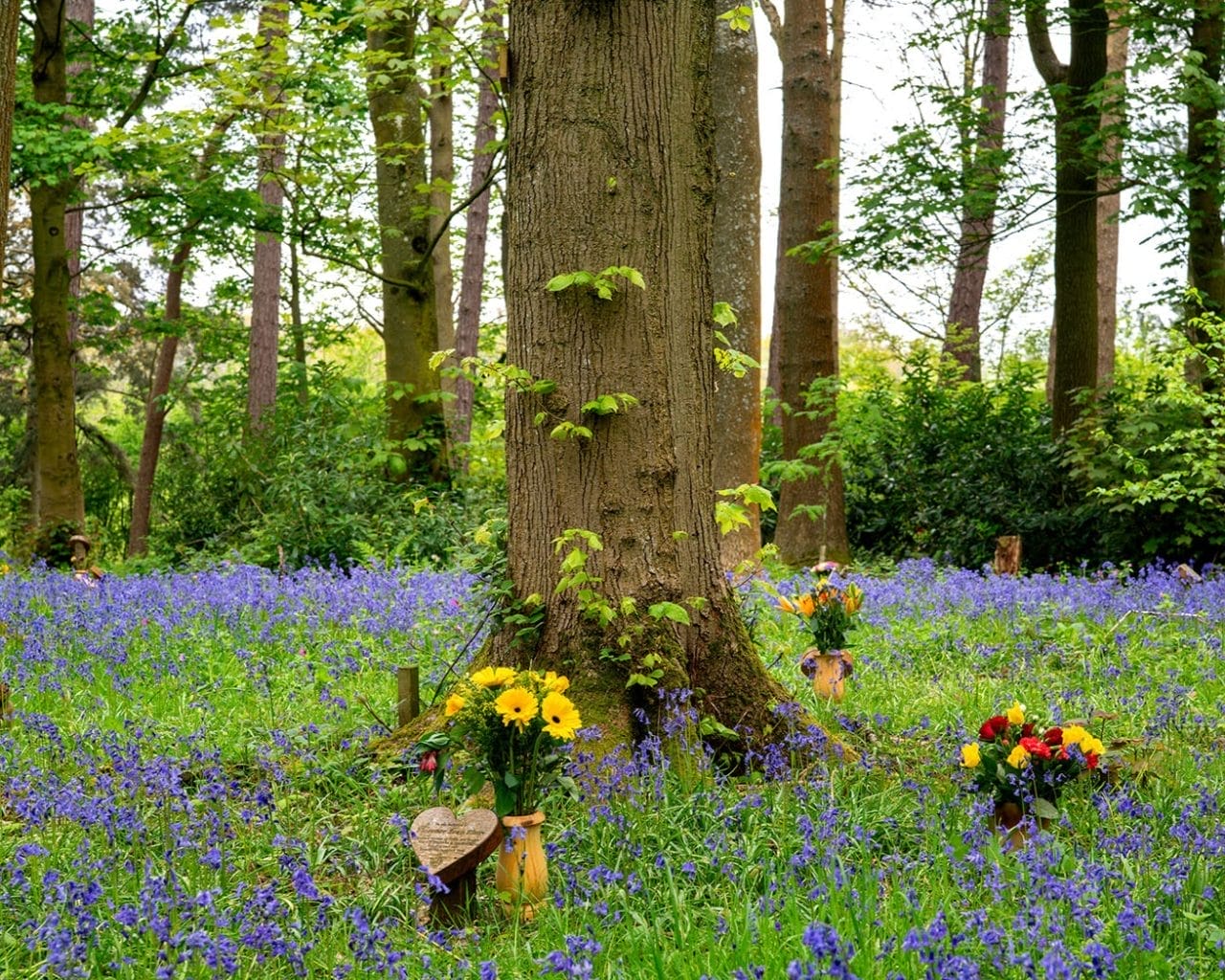
When you have laid your loved one to rest, it is nice to have a dedicated place to visit where you can pay your respects, relive your memories and continue to honour them in a way that feels right for you.
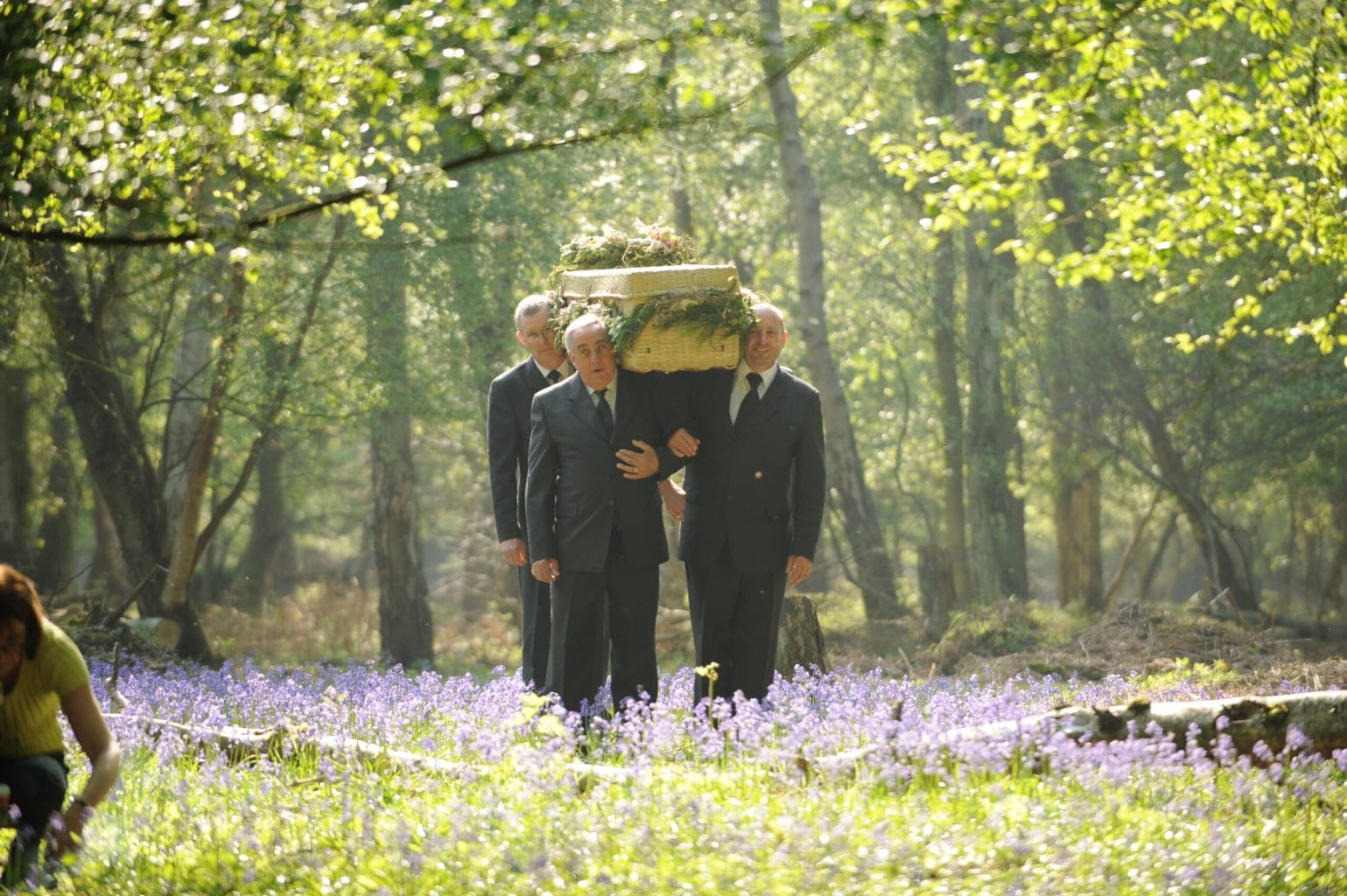
This is why having your loved one interred in one of our Living Memorial Parks is an ideal option, because it will ensure you always have a place, surrounded by nature, that you can visit and enjoy as you remember those who have passed.
Many people choose to plant a specific tree or plant in memory of their loved one, to provide a focal point for their visits.
There is no single ‘right’ choice when it comes to selecting a tree or plant for Remembrance. In death, as in life, we are all unique.
You may wish to honour your loved one with a shrub or tree that reflects their personality or holds special meaning. Our Park teams will be on hand to guide you through the suitable options, ensuring your choice fits beautifully within the natural landscape.
If you are looking for inspiration, we’ve included some trees and plants that are traditionally associated with Remembrance.
Oak trees are a popular choice because they are slow growing and long lived. What’s more, our native oak trees harbour incredible biodiversity, with over 2,300 species supported by these trees and 326 species relying on oak trees for their own survival.
Because of their long lives – often into the hundreds and in some cases even over 1,000 years – oak trees provide an enduring memorial. They are often associated with strength, which can also make them appealing as a memorial tree.
Hawthorn trees are associated with originality, while in Pagan lore they are symbols of fertility and have strong ties to May Day celebrations. Hawthorns are stunning trees, with their white flowers often highlighting the arrival of spring.
In the autumn, hawthorn trees produce bright red berries. Like oaks, they are an important species for supporting the UK’s native wildlife. Yellowhammers in particular enjoy feasting on the tree’s berries, called haws, when they appear in autumn.
Due to their instantly recognisable and beautiful bark, silver birch trees are a popular choice for remembrance trees. They are symbolic of new beginnings, regeneration and hope, which adds to their appeal in settings like Living Memorial Parks.
Interestingly, silver birch are considered to be “pioneer species” because they can colonise open land, paving the way for other species to grow and in the process creating new woodland.
Silver birch trees are therefore important for our woodlands as well as being aesthetically pleasing, making them an excellent option if you want to remember your loved one while looking to the future.
For those who feel affinity with Celtic beliefs, the rowan tree is a beautiful choice for a Memorial Tree. Rowan trees are also known as the Tree of Life and have long been used in rituals for protection.
The vibrant orange-red berries that appear in the autumn were used in years gone by for protection against evil, as red was considered the best colour for warding off evil. Different places have different beliefs about rowan trees.
For instance, in Ireland they were often planted near houses to ward off spirits, while in Wales they were commonly planted in churchyards.
Either way, they are a beautiful tree that provides joy and colour throughout the year, not to mention being a haven for wildlife.
Away from trees, rosemary plants are often associated with Remembrance. As an evergreen plant, they are symbolic of eternal life, which is a wonderful sentiment for a plant that is designed to remind you of someone you love.
Rosemary has been used throughout the ages as part of burial rituals too – the ancient Romans and Greeks would place sprigs of rosemary on those who had departed as a symbol of immortality.
In addition, the ancient Egyptians used rosemary in their embalming process to help departed souls move into the afterlife.
Historical associations aside, the scent of rosemary is also known to be calming, which is another reason why it is a popular plant in Remembrance Gardens.
The name of these delicate blue flowers lends itself to remembrance and they have long been associated with enduring love. They thrive in areas of sun or partial shade, which can make them a good choice along the edge of a woodland.
They typically flower from April to September in the UK and will self-seed, so even after the original plant has been through its two-year lifecycle, new flowers will bloom in and around it each year.
*While many trees and plants hold special meaning, it’s important to note that not all species are suitable for planting within our Parks.
Each Park is carefully managed to support native biodiversity and long-term landscape health, so our team will guide you on the appropriate species available for Living Memorial Trees and Tribute Trees.
This ensures that every tree not only honours your loved one, but also contributes positively to the natural environment.
For more information on suitable species and available options, please speak to your local Park team, who will be happy to guide you.