Blog
How To Release Grief From The Body
Grief can harm more than your emotions, with proven physical impacts as well. Discover how using a green burial park may help ease the problem.


Grief can harm more than your emotions, with proven physical impacts as well. Discover how using a green burial park may help ease the problem.

Grief is never just about the mind. The pain of loss can be physical in ways that many people often don’t realise. There are gentle ways to help ease some of these physical effects as you come to terms with your loss, helped by having your loved one laid to rest in a green burial park.
One aspect of grief that isn’t always recognised is that phrases like “a broken heart” are often thought of as being entirely metaphorical, when in fact grief can have very real physical effects.
It may be said that this stems from the way that most people in the Western world think; a concept dating back to the Greeks of the mind, soul and body being autonomous entities.
The reality is very different:
As for the broken heart, this really isn’t a metaphor. True, your heart does not physically disintegrate, but grief can lead to chest pain and disrupted heart rhythm due to your body releasing a stress hormone.
You can even have ‘broken heart syndrome’, which mimics the pain of a heart attack.
Grief certainly does have a physical aspect. If you have ever felt in such pain that your health is in actual decline, you can be sure that you are far from alone.
Is this something you have to endure for a time, along with the emotional sorrow? Or can you take steps to release the grief from your body?
The answer to the first question is no. The answer to the second is yes.
Your priority should be to seek medical attention if the physical manifestations of your grief are serious. You should also do this if symptoms persist for several months.
Several practical steps can not only manage the physical issues, but help to ease them:
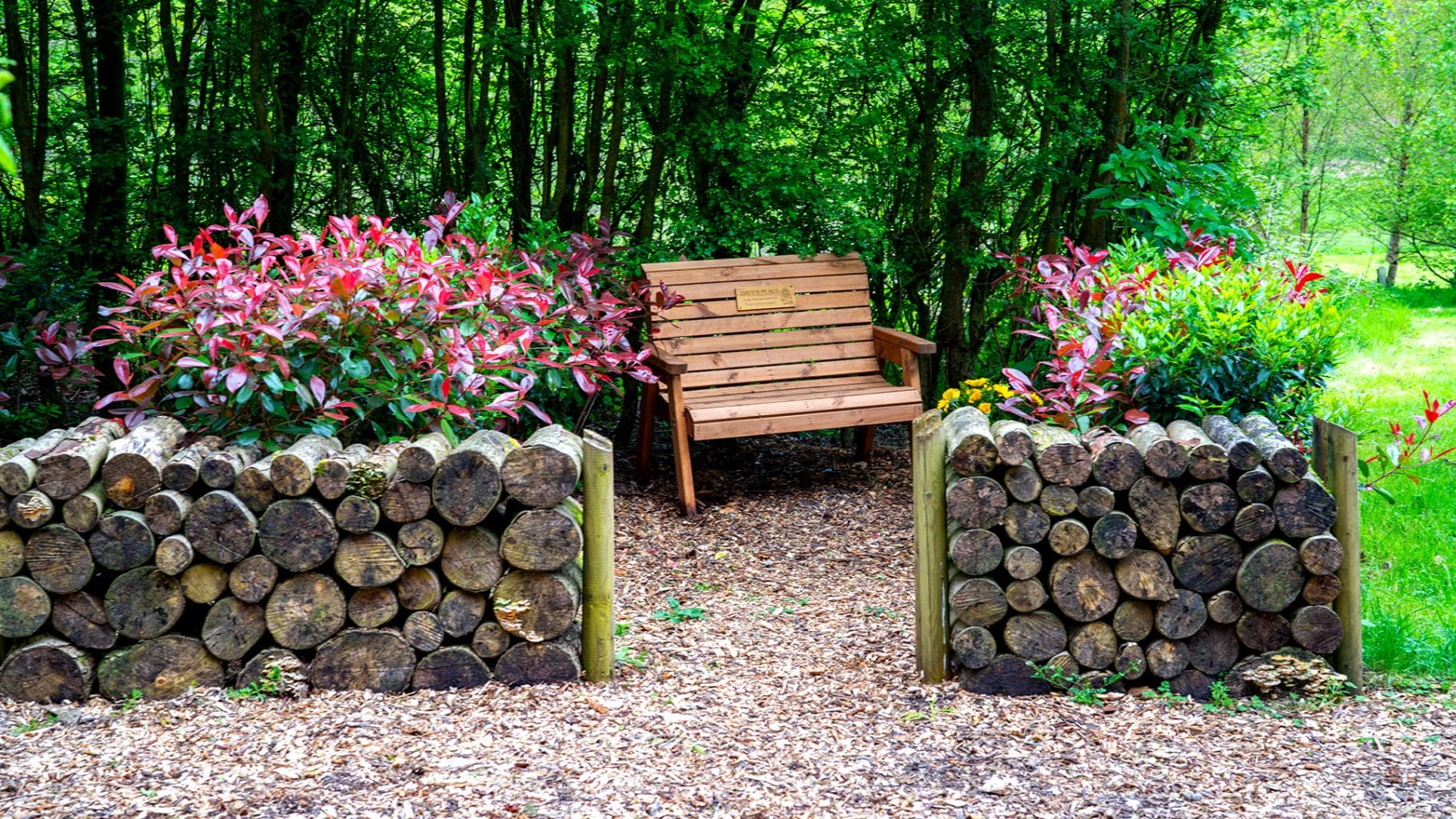
The last of these can be combined with visiting a green burial park. A very good reason for having your loved one buried there is that when you visit, you can do so in an environment that is relaxing, natural, but also provides some gentle exercise.
Short walks can boost cortisol levels, improve mood and help you sleep better. This can happen in lots of settings, of course. You might be taking a walk to the local park, down the road to the shops, or up a nearby hill if you live in or near the countryside.
However, being able to do this in the very place where your loved one has been laid to rest could have an additional benefit.
It means that while you are doing something that acknowledges the reality of your grief, you’re also taking a positive step towards supporting your own wellbeing.
Indeed, one benefit of laying your loved one to rest in a place of peace and greenery is that it is a relaxing place, one where you can unwind, de-stress, take your time and enjoy nature.
Being in a positive place can help you to focus on happier thoughts and memories of your loved one.
Creating positive routines with a clear sense of purpose will ease you back into some form of normality, even if it is a ‘new normal’ following a bereavement.
It can combine well with a disciplined routine of consistent bedtimes and good sleep, avoiding alcohol and ensuring that you socialise regularly.
Recognising that grief causes physical pain as well as emotional pain is important because it enables you to understand that your body and mind are not separate. Looking after one helps you protect the other.
In so doing, you can find a way through your pain, looking towards a future where you feel more content.