Blog
Finding A Sanctuary During Troubled Times
Discover how to find sanctuary in times of trouble, strife and anguish, the many forms that it can take and how nature can help us to find answers to struggles.


Discover how to find sanctuary in times of trouble, strife and anguish, the many forms that it can take and how nature can help us to find answers to struggles.
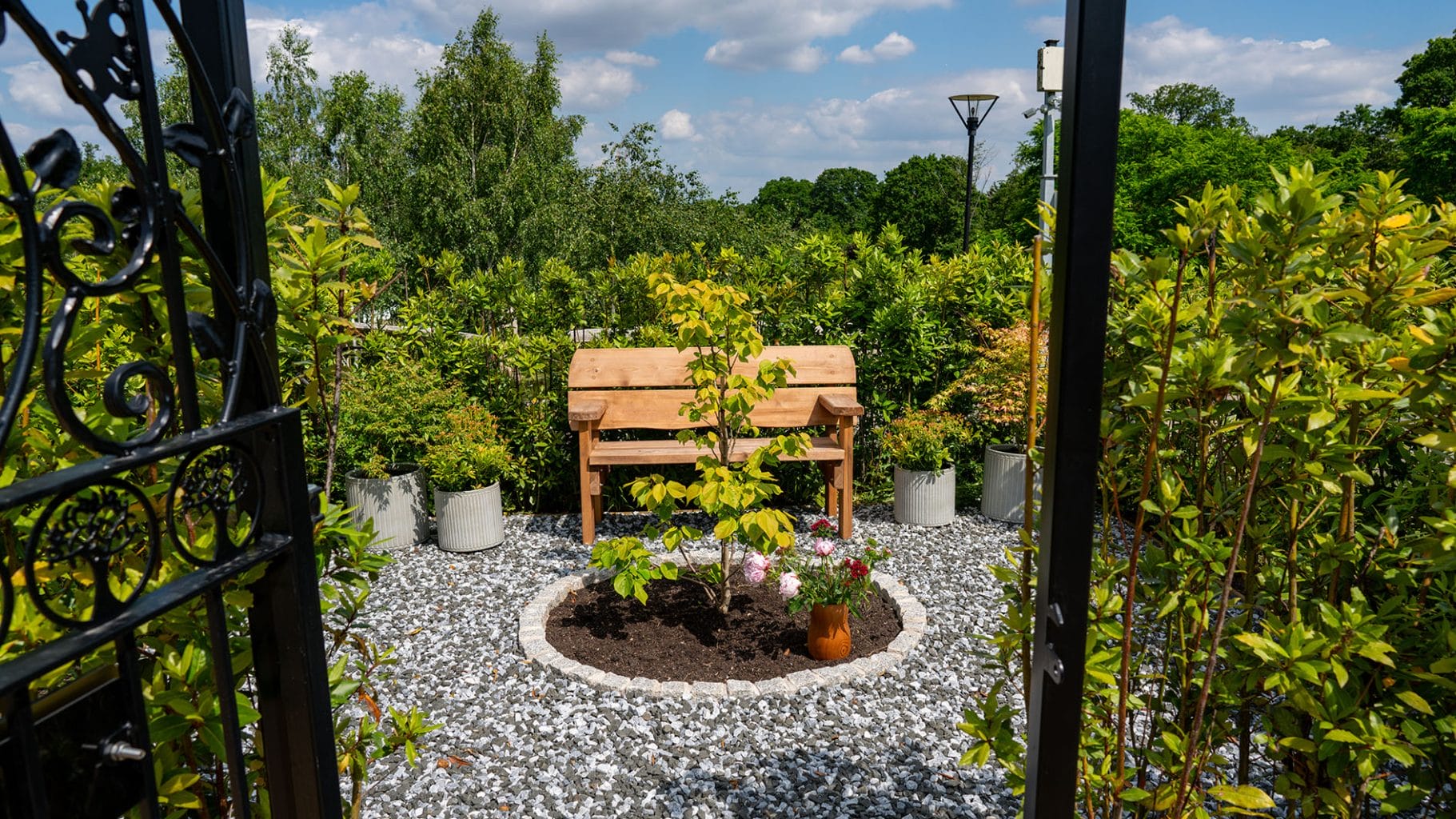
During times of struggle, trouble and strife, we all look for a sanctuary. A place that can help to protect us, guide us and grant us the space to process and find a way forward.
Whether it is a voice that speaks to us, a sound that provides comfort when nothing else can or a place where we can feel like we can be still and feel safe to be ourselves and express ourselves however we need to.
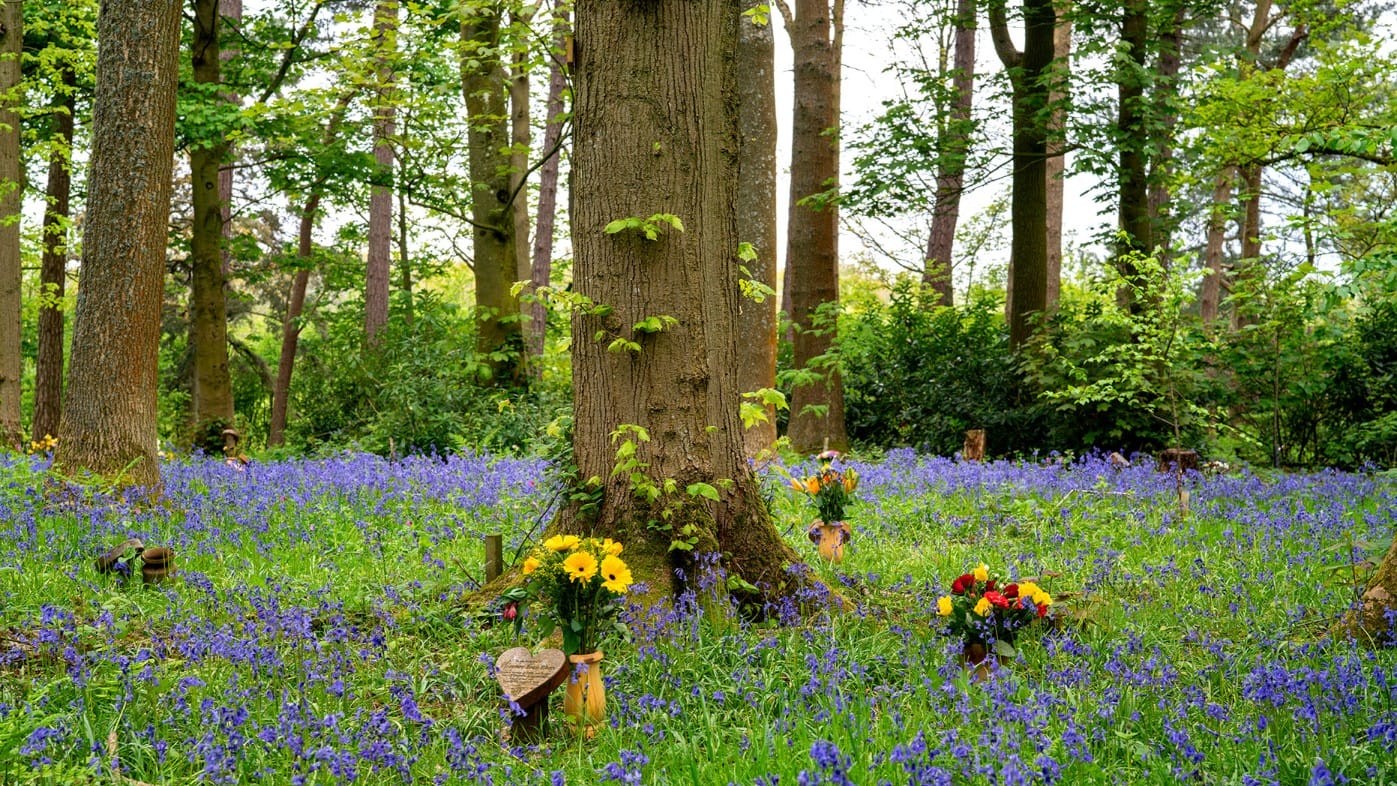
During times of loss, our green Burial Parks can become a sanctuary in themselves; calm, natural places that offer comfort and support.
A Funeral Ceremony is always very emotional. By providing a place where you can grieve and ground yourself in nature, we hope to help begin the healing process and provide a safe space to return to whenever you need.
When you are struggling, it is important to find a sanctuary, but what does that look like?
The answer will be different for everyone, but here is some guidance to help you seek out a safe haven when grief, stress, or other powerful emotions break through.
The idea of sanctuary as we recognise it today originates from Ancient Greece and medieval England. It was a place where people who feared for their lives could find safety, shelter and food, although it is likely to have existed for as long as civilisation has.
It is a haven, a place where we can escape the weight of the world and the problems that afflict us in our everyday lives. In a world of sound, fury and constant movement, it is essential to have a place to stop – and this is what a sanctuary is.
Discovering your sanctuary is an intimately personal journey; everyone will have a different idea of what feels safe. Various places will provide that sense of inner peace, and for some, sanctuary is not even necessarily a physical place.
The first step to finding this place of safety, therefore, is to understand what it is to you. Sanctuary is a place where you feel you can unburden yourself and feel at ease.
Whilst this is far from an exhaustive list, here are some qualities to consider:
Everyone will find a different place where these qualities will catch them: an art gallery or museum, a library, a park, a chapel, or even somewhere like a gym or an observatory.
Anywhere where only the present exists can be a sanctuary.
The first step to finding such a place is to look for one. Think of places where you felt calmness and stillness in your life, and visit them again with the intention of being present in the moment.
If you feel that calmness and tranquillity when you return, then you have found your sanctuary, no matter where it is.
For many people, sanctuary is found in a natural place. Parks, nature reserves, conservation areas and public gardens are all well suited to being sanctuaries and provide a particular sense of grounding that few other locations can.
Part of this is that people are inherently biophilic; we tend to be drawn to natural spaces for a wide variety of reasons and there are links between spending time in nature and improved wellbeing.
Another part of this is that nature is multisensory; you do not just look at nature but experience it through the rustle of grass and the harmony of birdsong, through the feel of tree bark and grass underfoot, through the smell of flowers and the taste of dew in the air.
Nature also tends to ground us in the moment; rather than being pulled along at the frenetic pace of society, we settle towards the calmer, more relaxed tempo of the natural world around us.
Finally, nature reminds us that the world around us exists in cycles; it is constantly refreshing and renewing itself, and this provides hope that we can do the same in our lives.