Blog
Why Are Alternatives To Traditional Funerals Growing Popular?
Find out more about alternative memorials to traditional funerals, why they are getting popular, and how to create a fitting celebration of a person’s life.

Find out more about alternative memorials to traditional funerals, why they are getting popular, and how to create a fitting celebration of a person’s life.
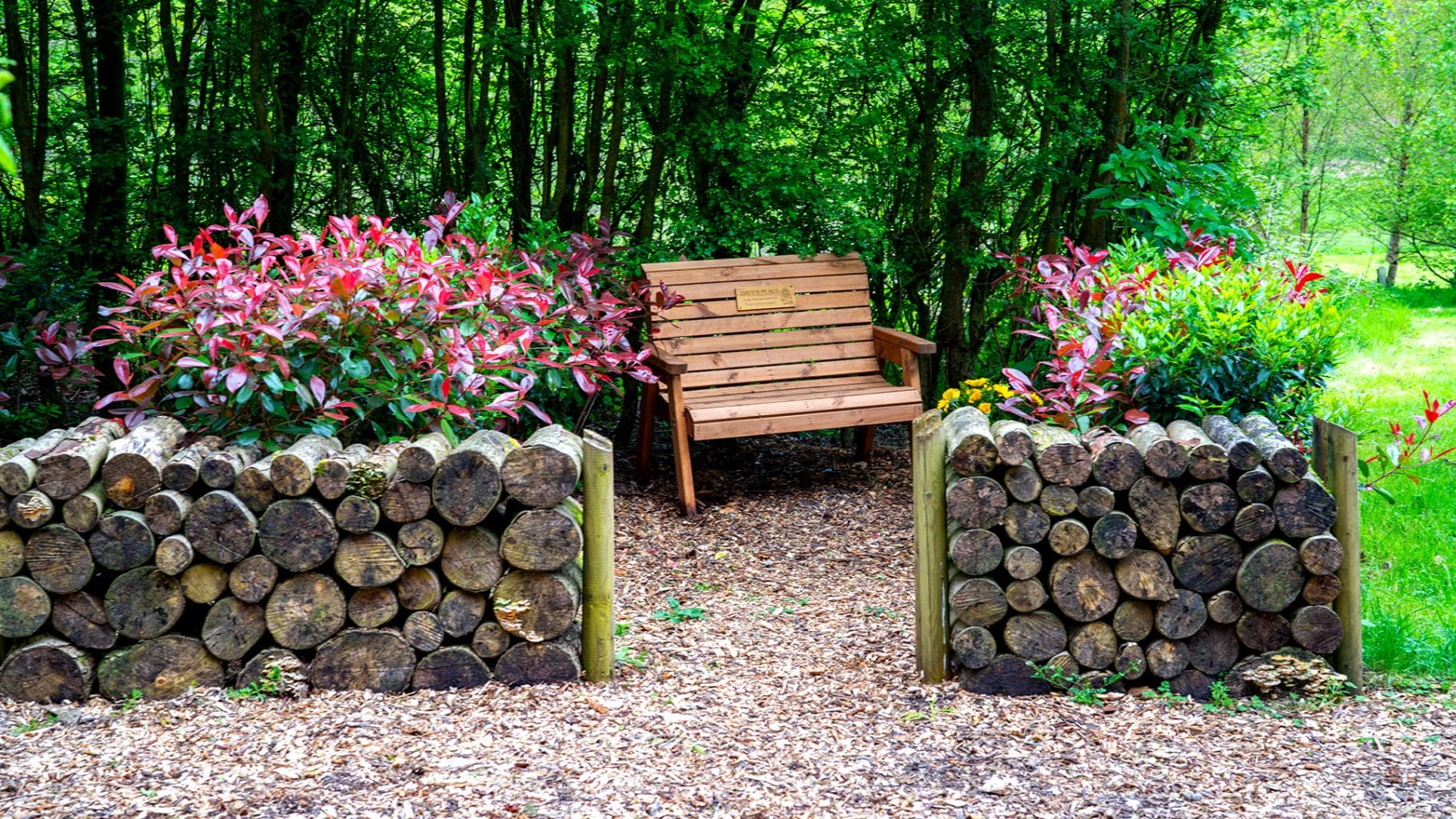
Throughout human history, there have been different ways to celebrate the life of a loved one who has passed, and for just as many years, people have looked for the most fitting way to ensure that someone is never forgotten.
In recent years, the need for a reflective memorial that truly celebrates a loved one and everything that they represent in the hearts of those who knew them has grown. This has led to a growing desire for alternative forms of memorial.
One of these options is to be part of a Living Memorial Park, an enduring and everlasting part of the natural world. It allows their memory to continue making an impact long after the ceremony has concluded.
There are countless alternative memorials available to act as a fitting epitaph to people when a traditional religious funeral would not truly represent a person and how they lived their life.
In a world where celebrating the lives of those we have lost matters more than ever, it is important to understand what an alternative memorial is, why it has become so popular, and where a Living Memorial fits within this changing landscape.
An alternative memorial is any Ceremony or Service that is meant to remember a person but is decentered from a Funeral structured around traditional religious rites or sacraments.
This does not necessarily mean that all alternative memorials are entirely decoupled from faith or spirituality.
Instead, the focus is on celebrating the person, sharing stories, doing activities that reflect how they lived or what they loved in life. It also emphasises how they will live on through the impact they had on other people.
The most popular alternative memorial is the Celebration of Life, a non-traditional, non-religious Service that is either a part of a traditional funeral ceremony or as a replacement that aims to leave a lasting legacy.
Sometimes this is a completely new ceremony, whilst in other cases it resembles a more traditional funeral but with more personal elements included, often included at the request of the dearly departed.
These are often very personal but can include:
Traditionally, people have not had too much of a say in how they are remembered, with their funeral being dictated largely by their religious group and faith.
Our Service Halls can accommodate a wide range of religious services before burial in our Living Memorial Parks, and many people continue to choose a traditional ceremony.
At the same time, others are thinking more carefully about how they want to be remembered. They may prefer a celebration that more closely reflects their personality, values, and life.
Some denominations are more flexible than others, but there are typically limits to what can be altered with a ceremony, the burial/cremation and what happens after it.
The Church of England, for example, has allowances for a degree of personalisation, with flowers, personal effects, music, readings and prayers available to be tailored to suit a particular person.
However, the fundamental purpose and structure of the service is a religious rite of passage from one stage of life to the next.
As people have more unique belief systems which strain against the confines of traditional services, some people opt for an alternative ceremony which allows for their way of coping.
Whilst not a new term, the concept of a Celebration of Life is fitting. Some people do not want their funeral ceremony to leave people sad, upset and focused on loss, but instead more hopeful and optimistic, ending a ceremony filled with love and joy in the name of a loved one.
For people who lived their lives filling the hearts of others with happiness, this is a more appropriate ceremony, and it allows for an unforgettable occasion that will, in turn, help ensure the spirit of a loved one lives on in everyone else.
A loved one touched the hearts of countless other people, from family and friends to members of the community, subcultures and coworkers, all of whom felt their impact in individual ways.
An alternative memorial allows all of these groups to come together and celebrate someone in all of their multitudes.
Everything from the venue to the structure of the ceremony can be customised and come from the heart, creating the most fitting tribute to a person.